
|
June 2026,Volume 48, No.2
|
Original Article
|
Recognising acyclovir-induced neurotoxicity: the importance of appropriate dosing in vulnerable patientsYiu-chung Ng 吳耀聰, Chi-keung Chan 陳志強 HK Pract 2026;48:51-56 Abstract
Introduction:
Acyclovir, a widely used antiviral
medication effective against herpes simplex virus (HSV)
and varicella-zoster virus (VZV), can cause rare but
severe neurotoxicity, especially in the elderly and those
with renal impairment. Symptoms of acyclovir-induced
neurotoxicity range from mild confusion to seizures. Early
recognition of acyclovir-induced neurotoxicity is crucial
as discontinuing the drug is the mainstay of treatment.
Results: 26 patients with acyclovir neurotoxicity were included in the study. The commonest symptoms were confusion (n=17, 65.4%), hallucinations (n=10, 38.5%), drowsiness or decreased conscious state (n=6, 23.1%). The median time to symptom onset after taking acyclovir was 2 (range, 0-11) days. The median length of stay in hospital was 10 (range, 2-44) days. 9 (34.6%) patients required admission to intensive care unit (ICU). The median length of stay in ICU was 7 (range, 2-11) days. Remarkably, 22 (84.6%) patients, including 7 out of the 9 patients admitted to the ICU, were prescribed an inappropriately high dosage of acyclovir by their doctors. Conclusions: Acyclovir-induced neurotoxicity, though uncommon, carries significant morbidity. Confusion and hallucinations were the most frequent symptoms. Over one third of patients in this case series required ICU admission and extended hospital stays. Most cases were associated with inappropriate dosing that did not account for renal function or age. These findings underscore the importance of appropriate dose adjustment, particularly in elderly patients and those with renal impairment. Increased awareness among primary care practitioners is essential, as they are often the first to prescribe this medication. Keywords: Acyclovir, neurotoxicity, Hong Kong
摘要
引言:阿昔洛韋是一種廣泛使用的抗病毒藥物,對單純皰疹病毒(HSV)和水痘-帶狀皰疹病毒(VZV)有效,但可引起罕見但嚴重的神經毒性,尤其是在老年人和腎功能不全 患者中。阿昔洛韋引起的神經毒性症狀從輕度意識混亂到癲癇發作不等。早期識別阿昔洛韋引起的神經毒性至關重要,因為停藥是治療的關鍵。 關鍵詞:阿昔洛韋,神經毒性,香港 BackgroundAcyclovir is a widely utilised antiviral medication effective against herpes simplex virus (HSV) and varicella-zoster virus (VZV) infections. Despite its well-documented efficacy and generally favourable safety profile,1 acyclovir is associated with severe adverse effects, one of which is neurotoxicity. Acyclovir-induced neurotoxicity, although uncommon, can manifest in a range of neurological symptoms, from mild confusion and hallucinations to more severe manifestations such as seizures and coma.2 The risk of neurotoxic effects is notably higher in certain populations, including the elderly and individuals with pre-existing renal impairment.3 Acyclovir is converted into acyclovir triphosphate by viral enzymes, which is then incorporated into the viral DNA, impeding viral replication. Most of the administered acyclovir is excreted via the urine, but in cases of renal failure, its half-life can extend from 2 to 3 hours to over 18 hours,4 leading to drug accumulation. The underlying mechanism of acyclovir neurotoxicity is thought to involve the accumulation of its neurotoxic metabolite, 9-carboxymethoxymethylguanine (CMMG), especially in the context of impaired renal function leading to reduced drug clearance, as evidenced by its higher correlation with psychiatric manifestations compared to cerebrospinal fluid (CSF) acyclovir concentrations.5 Acyclovir is also postulated to cause neurotoxicity through inhibition of mitochondrial DNA polymerase, leading to cellular dysfunction.6 The cornerstone of managing acyclovir-induced neurotoxicity is discontinuing the drug.3,7 In severe cases or when symptoms persist, enhanced elimination such as haemodialysis may be required. Peritoneal dialysis is largely ineffective due to acyclovir’s high volume of distribution and limited diffusion into the peritoneal space. Differentiating acyclovir neurotoxicity from viral encephalitis such as VZV encephalitis poses a diagnostic challenge due to the overlapping neurological manifestations of both conditions, such as altered mental status and seizures. Acyclovir-induced neurotoxicity is often a late diagnostic consideration, particularly when acyclovir was prescribed for therapeutic intent. Often, patients with acyclovir neurotoxicity will have sudden onset of symptoms, absence of fever or headache, lack of focal neurological deficits and normal CSF analysis.8 The misdiagnosis of viral encephalitis can lead to continuation or even intensification of acyclovir therapy, exacerbating the condition. This diagnostic conundrum complicates clinical management and underscores the need for increased awareness and understanding. Acyclovir neurotoxicity in Hong Kong has been predominantly reported in case studies and smaller case series9,10, highlighting a need for greater epidemiological understanding of its incidence and clinical features. By detailing the clinical presentations, patient characteristics, and outcomes of all acyclovir-induced neurotoxicity in Hong Kong recorded by the Hong Kong Poison Information Center (HKPIC) over the past 16 years, this case series aims to raise awareness of acyclovir-induced neurotoxicity, and to pinpoint the need for acyclovir dose adjustment in susceptible patients, particularly the elderly and those with renal impairment. MethodsPatients diagnosed with acyclovir-induced neurotoxicity in Hong Kong between 1st January 2009 and 31st December 2024 were included in this case series. All relevant case histories of affected patients, either reported to or managed by the HKPIC, were collected for comprehensive analysis. The HKPIC offers a consultation service to all healthcare professionals throughout Hong Kong and compiles data on poisoning incidents reported by all Accident and Emergency Departments (AEDs) under the Hospital Authority. Detailed demographic information, clinical presentation, laboratory parameters, therapeutic interventions, and clinical outcomes were systematically extracted and analysed.
ResultsThere were 26 patients diagnosed with acyclovir-induced neurotoxicity throughout the study period. The male-to-female ratio was 11:15. The mean age was 65.3 (SD, ± 11.6) years. The median time to symptom onset after taking acyclovir was 2 (range, 0-11) days. The commonest symptoms were confusion (n=17, 65.4%), hallucinations (n=10, 38.5%), drowsiness or decreased conscious state (n=6, 23.1%). The commonest signs were unsteady gait (n=4, 15.4%), cerebellar signs (n=2, 7.7%) and tremor (n=2, 7.7%). Other associated symptoms and signs were listed in Table 1. Table 1: The associated symptoms and signs of acyclovir-induced neurotoxicity in Hong Kong
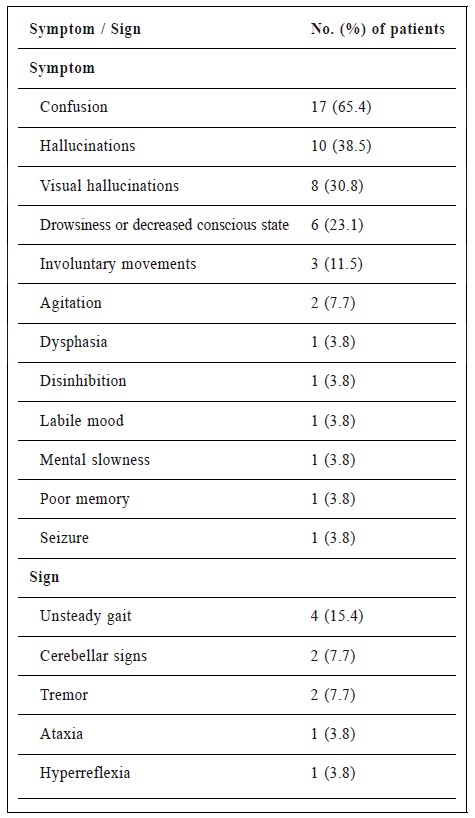
Table 2: Indication, route of administration, dosage, and prescription of acyclovir
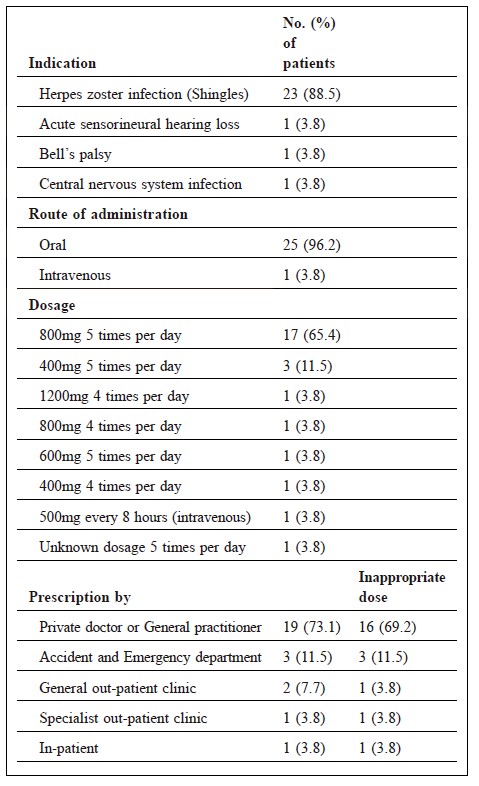
Table 3: Management site of patients with acyclovir-induced neurotoxicity
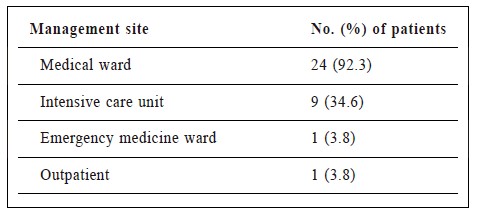
Table 4: Suggested dosage of acyclovir for treatment of herpes zoster infection

Majority of patients (n=23, 88.5%) had chronic kidney disease ranging from mildly impaired renal function to end stage renal failure. 19 (73.1%) patients were on long term renal replacement therapy, with 17 (65.4%) patients receiving peritoneal dialysis and 2 (7.7%) patients receiving haemodialysis. 8 (30.8%) patients who were not receiving prior haemodialysis were offered haemofiltration or haemodialysis for enhanced elimination of acyclovir during their hospital stay. Herpes zoster infection was the commonest indication (n=23, 88.5%) for acyclovir prescription. 25 (96.2%) patients received oral acyclovir. Only 1 (3.8%) patient was prescribed intravenous acyclovir. The commonest dosage of acyclovir prescribed was 800mg 5 times per day (n=17, 65.4%). Most prescriptions (n=22, 84.6%) were found to be inappropriate in dosage as no suitable adjustment was made for patients with renal impairment. 4 (15.4%) patients took wrong dosage of acyclovir due to miscommunication, of which 3 of them at the same time also received an inappropriately large dosage of acyclovir from their doctors. Lumbar puncture was performed in 10 (38.5%) patients for CSF analysis. 3 patients had elevated white blood cell count, 4 patients had elevated protein count, and 4 patients had elevated glucose level in their CSF sample. All CSF cultures and polymerase chain reaction (PCR) for common pathogens were negative. 4 (15.4%) patients had Magnetic Resonance Imaging (MRI) scan of their brain, and none of them showed radiological evidence of encephalitis. 7 (26.9%) patients had elevated white blood cell count in their blood sample (range: 9.39-16.9 x 10⁹/L). There was no mortality in all patients. The median length of stay in hospital was 10 (range, 2-44) days. 9 (34.6%) patients required admission to intensive care unit (ICU). The median length of stay in ICU was 7 (range, 2-11) days. 1 (3.8%) patient was managed in emergency medicine ward and 1 (3.8%) patient was managed in outpatient setting. The remaining 24 (92.3%) patients were managed in general medical ward. All patients were documented to have conscious state improved or returned to baseline upon hospital discharge.
DiscussionPatients involved in this study were mainly the elderly, with a mean age of 65.3 (SD, ± 11.6) years. 23 (88.5%) patients had chronic kidney disease. Confusion (n=17, 65.4%), hallucinations (n=10, 38.5%), drowsiness or decreased conscious state (n=6, 23.1%) were the commonest reported symptoms of acyclovir-induced neurotoxicity. This echoed with a previous systematic review involving 119 patients from multiple case reports done by Brandariz-Nuñez et al. showing that acyclovir-induced neurotoxicity predominantly affected older patients with renal insufficiency. The most commonly associated symptoms in their study included disorientation (58%), decreased level of consciousness (38%), hallucinations (36%), agitation (27%), and dysarthria (19%).3 Despite the above symptoms not being exclusive for acyclovir neurotoxicity, together with other supporting features such as absence of fever and meningeal signs, one can be more confident in making an early diagnosis of acyclovir neurotoxicity and can offer appropriate management by discontinuing the drug promptly. Lumbar puncture with CSF analysis was performed in only 10 (38.5%) of the 26 patients. The remaining patients did not undergo lumbar puncture or CSF analysis due to various reasons documented in the clinical notes, which included active skin infection at the lumbar puncture site, bleeding tendency, and unsuccessful attempts despite sedation. Additionally, the relatively mild neurological presentation and rapid clinical improvement following acyclovir discontinuation in some of the patients were postulated to have contributed to the decision to forgo CSF evaluation. Notably, one patient had a markedly elevated CSF white blood cell count (81/μL), prompting continued acyclovir therapy. However, subsequent CSF culture and PCR testing returned negative results. MRI scan of brain also showed no evidence of encephalitis. Given the patient’s improved neurological state shortly after acyclovir cessation, the clinical course was more consistent with acyclovir-induced neurotoxicity rather than VZV encephalitis. This case underscored the diagnostic challenge in distinguishing drug-related neurotoxicity from infectious encephalitis, particularly when CSF findings were equivocal. The commonest observed prescription dosage of acyclovir was 800mg taken 5 times per day. The likely reason was that it was the usual treatment dose for acute herpes zoster infection in an immunocompetent host with normal renal function. However, as acyclovir is primarily excreted by the kidneys, dosage adjustment is essential for patients with renal impairment. For patients with a creatinine clearance (CrCl) of 10-25ml/min/1.73m2, the recommended dosage is 800 mg every 8 hours, and for those with a CrCl of less than 10ml/min/1.73m2, the dosage should be adjusted to 200 to 800 mg every 12 hours. Key messages
Other than neurotoxicity, acyclovir is also well known to cause nephrotoxicity by drug precipitation and crystallisation in the renal tubules. Therefore, even in patients with normal renal function, we should be vigilant in detecting early symptoms and signs of neurotoxicity if high dosage of acyclovir is to be prescribed. 2 (7.7%) patients in our study developed acute kidney injury which had likely precipitated the development of acyclovir neurotoxicity. Regular monitoring and warning patients and their family of the potential red flag symptoms and signs would help them seek earlier medical help when necessary. In this study, over one-third of the patients required ICU admission, causing considerable strain on the healthcare system. Remarkably, 22 out of the 26 patients in the study, including 7 out of the 9 patients admitted to the ICU, were given an excessively high dosage of acyclovir by their doctors. This was likely due to the doctors either being unaware of the patients’ pre-existing renal conditions or not recognising the necessity of adjusting the acyclovir dosage for impaired renal function. Since acyclovir neurotoxicity is a dose-dependent side effect, the inappropriate dosage was inarguably a major contributing factor to the development of neurotoxicity. It is understandable that private doctors often have practical difficulties in accessing patients’ past medical health due to incompatible computer systems with the public sector. Nevertheless, by having in mind the potential neurotoxic effect of acyclovir and by obtaining a detailed medical history, such medication error could likely be averted. Healthcare burden associated with acyclovir neurotoxicity could certainly be reduced if we could raise the awareness of doctors in Hong Kong on this important issue.
LimitationsFirstly, the subjects included in this study were limited to those who were either managed by or reported to the HKPIC. For patients that were not reported and were entirely managed by the local teams in various hospitals, the HKPIC would not be alerted of. Secondly, the diagnosis of acyclovir-induced neurotoxicity for patients with mild symptoms is often easily missed and hence under-reporting was likely. Thirdly, the symptoms and signs of acyclovir neurotoxicity were largely dependent on the documentation by local team doctors in the computer system and hence might not be exhaustive in this study; for instance, the specific subtypes of hallucinations were not consistently documented across cases. Alternative antiviral agents for the treatment of herpes zoster, such as valacyclovir, were not included in this study. Valacyclovir, a prodrug of acyclovir, is commonly prescribed in primary care due to its convenient dosing schedule. As it is rapidly converted to acyclovir, it shares the same mechanism of neurotoxicity and need for renal dose adjustment. Further studies are warranted to better characterise the neurotoxic potential of these alternative agents in the local context.
ConclusionAcyclovir-induced neurotoxicity leads to significant hospitalisation and associated healthcare burdens, contributing to public health challenges. Early recognition and prompt intervention are crucial in preventing further neurological damage and improving patient outcomes. Patients with advanced age, taking high doses of acyclovir, or with underlying renal impairment are at increased risk of developing acyclovir neurotoxicity. Fortunately, no patients died in this case series. This condition is preventable by exercising due diligence in daily medical practice, including careful history taking to identify patients with renal impairment before prescribing acyclovir. Healthcare providers must remain vigilant in prescribing the correct dosage of acyclovir to minimise the risk of neurotoxicity.
AcknowledgementsThe study has no acknowledgment. The authors received no financial support for the research, authorship, and/or publication of this article
Conflict of interest statementThe authors declare no potential conflicts of interest with respect to the research, authorship, and/or publication of this article.
Ethics statementThe retrospective study was conducted in accordance with the Declaration of Helsinki (as revised in 2013). Clinical management of patients would not be altered as this was a retrospective study. The data analysis was anonymous, and the personal identity of the participants would not be revealed in any study reports or documents. This study was approved by the Central Institutional Review Board of Hospital Authority [Reference No. CIRB-2025-011-1].
Informed consentInformed consent was not necessary because no patient identifiable data have been included in the manuscript. The requirement for individual patient consent was waived by the Central Institutional Review Board of Hospital Authority due to the retrospective and anonymous nature of the study.
Data availability statementThe dataset for this study is available from the corresponding author upon reasonable request. References
Yiu-chung Ng,
MB BS (HK); FHKCEM; FHKAM (Emergency Medicine); Dip Clin Tox (HKPIC & HKCEM)
Chi-keung Chan,
MB BS (HK); FHKCEM; FHKAM (Emergency Medicine); FHKCEM (Clinical Toxicology)
Correspondence to:
Dr. Yiu-chung Ng, Accident and Emergency Department,
North Lantau hospital, 8 Chung Yan Road, Tung Chung,
Lantau Island, Hong Kong SAR.
|
|