
|
March 2026,Volume 48, No.1
|
Original Article
|
Prevalence of pathogens causing uncomplicated urinary tract infection (UTI) and their antibiotics susceptibility in female patients in primary care in Hong KongDickson KF Chan 陳祺峯, Cathy SN Wong 黃詩雅, Loretta KP Lai 黎潔萍, Matthew MH Luk 陸文熹, Pang-fai Chan 陳鵬飛 HK Pract 2026;48:16-23
AbstractObjective: To describe the prevalence of different pathogens causing uncomplicated urinary tract infection (UTI) and their antibiotics susceptibility in female patients in Hong Kong public primary care setting and to provide evidence-based recommendation whether mid-stream urine (MSU) for bacterial culture and antibiotic sensitivity tests should be saved before empirical antibiotic in this group of patients.Design: Cross sectional study Subjects: All adult female patients presented with acute UTI symptoms attending two selected public primary care clinics in the Kowloon East Cluster in Hong Kong from December 2022 to July 2023. Main outcome measures: Primary objective is to study the types and prevalence of organisms isolated from MSU of the subjects, and their susceptibility to antibiotics. Secondary objective is to compare the result with the antibiogram from a regional hospital near the study clinics. Results:Escherichia coli was the most common uropathogen identified in the MSU samples in our study, followed by Klebsiella and Proteus. Both co-amoxiclav and nitrofurantoin could achieve bacteriological cure in approximately 85% of female patients presented with uncomplicated UTI regardless of organisms. Conclusions: Our current first line empirical antibiotics were effective against uncomplicated UTI in female patients in Hong Kong public primary care setting. Saving MSU prior to empirical antibiotics treatment for these patients might not be necessary, giving the predictable organisms and high antibiotics sensitive rate. Keywords: urinary tract infection, primary care, antibiotics
摘要目的:描述在香港公立基層醫療機構內女性病患者中導致 非複雜性尿道感染(UTI)的不同病菌流行情況及其對抗生 素的敏感度,並就此類患者在進行經驗性抗生素治療前應 否保留中段尿液檢測(MSU)並進行細菌培養和抗生素敏感 度測試提供實證建議。設計:橫斷面式研究 受試者:於2022年12月至2023年7月期間,所有在香港九龍 東聯網內選定的兩家公立基層診所就診的急性尿道感染症 狀的成年女性患者。 主要結果測量:主要目標是研究病者MSU分離出的病菌類 型和流行情況,以及它們對抗生素的敏感性。次要目標是 將結果與研究診所附近地區醫院的抗生素圖譜進行比較。 結果:本研究中樣本中最常見的泌尿道病菌為大腸桿菌, 其次是克雷伯菌和變形桿菌。無論病菌種類為何,阿莫西 林克拉維酸鉀和呋喃妥因均可使約85%的女性非複雜性泌 尿道感染患者獲得細菌學治癒。 結論:我們目前在香港公立基層醫療機構中採用的一線經 驗性抗生素治療對女性患者的非複雜性尿道感染有效。鑑 於病菌可預測且抗生素敏感率較高,在對這些患者進行經 驗性抗生素治療之前保留MSU可能沒有必要。 關鍵詞:泌尿道感染,基層醫療,抗生素 IntroductionUrinary tract infection (UTI) is commonly encountered in the clinical setting. It roughly accounts for 25% of all infections, making it the second most common form of infection.1,2 It results in a significant burden on society, the individual, and the healthcare system.3,4 The exact incidence of UTI in Hong Kong is difficult to estimate accurately as it is not a statutory notifiable disease. UTI is more common in women than in men. Roughly 50% of all women would encounter one episode of UTI in their lives.1 The prevalence of UTI increases with age. The aetiology varies depending on the patient’s comorbidities. Diabetes mellitus, catheter use, spinal cord disorders, residential status (institutionalised or not), and recent antibiotic use are major risk factors for elderly individuals with UTIs.4 The prevalence also peaks in young women (14 - 24 years old) age group which may be explained by an increased in sexual activities.4,5 Escherichia Coli (E. coli) is the most frequent causative pathogen in UTI, followed by other species of Enterobacteriaceae such as Klebsiella pneumonia and Proteus mirabilis. Other gram-positive species such as Staphylococcus saprophyticus and gram-negative bacteria are also not uncommonly seen in UTI.6,7 Uncomplicated UTI is usually treated with empirical antibiotics. Choice of antibiotics should be tailored according to local data on the prevalence of the causative organisms and their antibiotic susceptibility as well as patient factors. Different guidelines in various locations and settings may suggest different first line antibiotics based on the local data. In one local study focusing on UTI in female patients presented to Accident and Emergency Department (AED), it concluded that nitrofurantoin was an effective empirical antibiotic to use in uncomplicated cystitis with a clinical response rate of 76%.8 Antibiotic Stewardship Program in Primary Care, which is an authoritative local guideline developed by the Hong Kong Centre for Health Protection (CHP), aimed to promote the use of correct antibiotics in primary care, suggests co-amoxiclav or nitrofurantoin as the first line to cover the usual organisms such as E. coli.9 The classic clinical presentation of UTI includes dysuria, urinary frequency, urgency and suprapubic pain.10 The probability of UTI is said to be greater than 50% if female patient presents with any of the above symptoms. Moreover, if a female patient complains of dysuria as well as frequency without vaginal symptoms, the probability of UTI is greater than 90%.11 In the model practice, simple UTI in female patients was treated empirically with antibiotics without saving MSU for bacterial culture. However, increasing numbers of patients who did not respond to first line antibiotics were observed clinically.12 It might be caused by the fact that the right organisms was not targeted or due to antibiotic resistance. Antibiotic resistance is a global problem with serious detrimental effects on both health and economy.13 For example, Proteus species, a group of common uropathogens, is naturally resistant to nitrofurantoin, which is also a very commonly used antibiotic in UTI in Hong Kong.14,15 Failed to treat a UTI can cause significant complications such as acute renal injury and urosepsis. Therefore, it can be argued that MSU should be checked even in simple UTI to avoid incorrect antibiotic choice. Furthermore, in view of the increasing prevalence of antimicrobial resistance among uropathogens, there has been an urge to re-evaluate the first- and second-line antibiotic choices. In a local study conducted in primary care in the year 2012, E. coli was still the most common bacteria found in female UTI. It accounted for 76% of all UTI. 9.9% of them were Extended-spectrum beta-lactamases (ESBL) producers. It stated that the resistance rate of E. coli to ampicillin, co-trimoxazole, gentamicin and ciprofloxacin were 59.8%, 31.8%, 25.2% and 23.4% respectively.16 It should be noted that co-amoxiclav, a commonly use first line antibiotic currently in Hong Kong was not included in this study. Another similar study conducted in Hong Kong where patients were recruited from primary care and emergency department between 2006 and 2008, also demonstrated increasing antimicrobial resistant among uropathogens comparing with older data. The resistance rate of E. coli to ampicillin, co-trimoxazole, and ciprofloxacin were 52.8%, 29.5% and 12.9% respectively.17 Most existing local and overseas data on antibiotics susceptibility was based on secondary care patients. According to the antibiogram of a regional hospital in 2020, E. coli was still the most common bacteria isolated in urine sample in which most of them were susceptible to co-amoxiclav and nitrofurantoin.18 However, the bacterial profile might be different in primary care. In a recently local study focusing on UTI in male patients in primary care, it found that the spectrum of organisms was wider as compared to the hospital setting. Moreover, the prevalence of E. coli in male UTI in primary care was much lower than that found in secondary care. The overall susceptibility to nitrofurantoin was significantly lower than to co-amoxiclav in the primary care setting in that study.19 CHP of Hong Kong published data on bacterial pathogen isolation on specimen such as urine sample on a regular basis.20 However, the published data was not gender specific and the indication of MSU was not specified. The most up-to-date antimicrobial resistance profile to our first line antibiotics for uncomplicated UTI in female patients in Hong Kong in Family Medicine Clinic (FMC) was still lacking. We hypothesised that MSU should be saved prior to treatment in female patients with uncomplicated UTI in view of increasing antimicrobial resistant. In this study we evaluated the organisms responsible for the uncomplicated UTI in female patients in our primary care setting. The antibiotic resistance and susceptibility were examined to guide the decision of saving MSU in female patients with uncomplicated UTI. Our study result was used to compare with the antibiogram from a regional hospital near the study clinics. Methodology:Study DesignThis was a cross sectional study involving 2 Family Medicine Clinics located in 2 different districts in Hong Kong. Cross sectional study was chosen because the study aimed to evaluate the bacteria profile in a group of patients in a time frame. SubjectsIn the period from 15th December 2022 to 31st July 2023, all adult female patients attended the studying clinics for acute UTI symptoms and with the diagnosis of uncomplicated UTI were recruited in the study.
The classic clinical presentation of UTI includes
dysuria, urinary frequency, urgency and suprapubic
pain.1,21 According to European Association of Urology,
UTI is classified as uncomplicated if ‘there are no
functional or anatomical anomalies in the urinary tract,
no renal functional impairment, and no concomitant
disease that would promote the UTI’.21 We adopted this
definition in this study.
Procedure:Eligible patients were identified and recruited by the attending doctor. Consent forms were signed. MSU were saved in a proper way as taught by clinic nurses in the same clinic session. The urine sample was sent to the hospital laboratory for further analysis. Empirical antibiotic was prescribed as the usual clinical practice. Patients would be called back for review if the cultured pathogen was found to be resistant to the prescribed antibiotic. If the urine sample was not able to be sent to the hospital laboratory the same day due to logistic reasons, MSU would be stored in a proper medical refrigerator until the next transportation was available (i.e. the next day). It had been shown that refrigerated urine sample (within 24 hours) caused no significant changes in urinalysis or urine culture.22 Significant bacteriuria was defined as ‘the presence of a single organism with 105 or more colony forming units per 1 ml urine’.23 Data collection:Signed consent forms were collected to identify the recruited patients. Their MSU reports were reviewed. Organism prevalence, antibiotic susceptibility, date of consultation and patient’s age were documented in a data collection form. Statistical AnalysisAs E. coli was the most prevalent organism in UTI, sample size calculation was based on estimating the prevalence of E. coli in female patients with uncomplicated UTI. Previous study suggested that E. coli was the causative pathogen in 75% to 95% of uncomplicated UTIs.24,25 Assuming the prevalence of E. coli is 90% in uncomplicated UTI patients, the minimum sample size to obtain 4% absolute precision with 95% level of significance would be around 217.26 All statistical analyses were performed using SPSS version 21. For descriptive statistics, central tendencies were represented by mean and median for symmetrically distributed and skewed distributed continuous variables respectively. For the spread of the continuous variables, they were represented by standard deviations and interquartile ranges for symmetric distribution and skewed distributions respectively. Categorical variables were summarised using percentages. To assess the normality of continuous variables, Kolmogorov-Smirnov test, Shapiro-Wilk test, histogram analysis, normal Q-Q plot, and detrended normal Q-Q plots were performed. Chi-square tests or Fisher's Exact tests were applied to examine differences among categorical variables. P-values of less than 0.05 were considered to indicate statistical significance. The confidence intervals were determined using the exact binomial method, and the prevalence was presented along with 95% confidence intervals. Main outcomeTypes and prevalence of organisms isolated from MSU of the subjects, and their susceptibility to antibiotics were studied. The results were compared with the antibiogram from a regional hospital near the study clinics. ResultStudy populationFrom 15th December 2022 to 31st July 2023, 222 eligible cases fulfilled our inclusion and exclusion criteria were recruited. The mean age of the subjects was 68.6 +/- 14.3 years. E. coli was the most common pathogen found in our samples (79.3%, 95% confidence interval [CI] 73.3% to 84.4%), followed by Klebsiella (9.4%, 95% CI 6.0% to 14.1%) and Proteus (6.3%, 95% CI 3.5% to 10.4%). Among all uropathogens identified, 11% of them were extended Spectrum Beta Lactamase (ESBL) producer. All ESBL producers were E. coli. No other antimicrobial resistance organisms such as carbapenem resistant enterobacteriaceae or vancomycin resistant enterococcus were found. (Table 1). Across all age groups, E. coli was still the most common uropathogen found in our study. (Table 2). For patients aged 61 and above, more than 80% of urine sample grew E. coli and the prevalence of E. coli increased with age. Table 1: Uropathogens identified in urine samples (N=222) 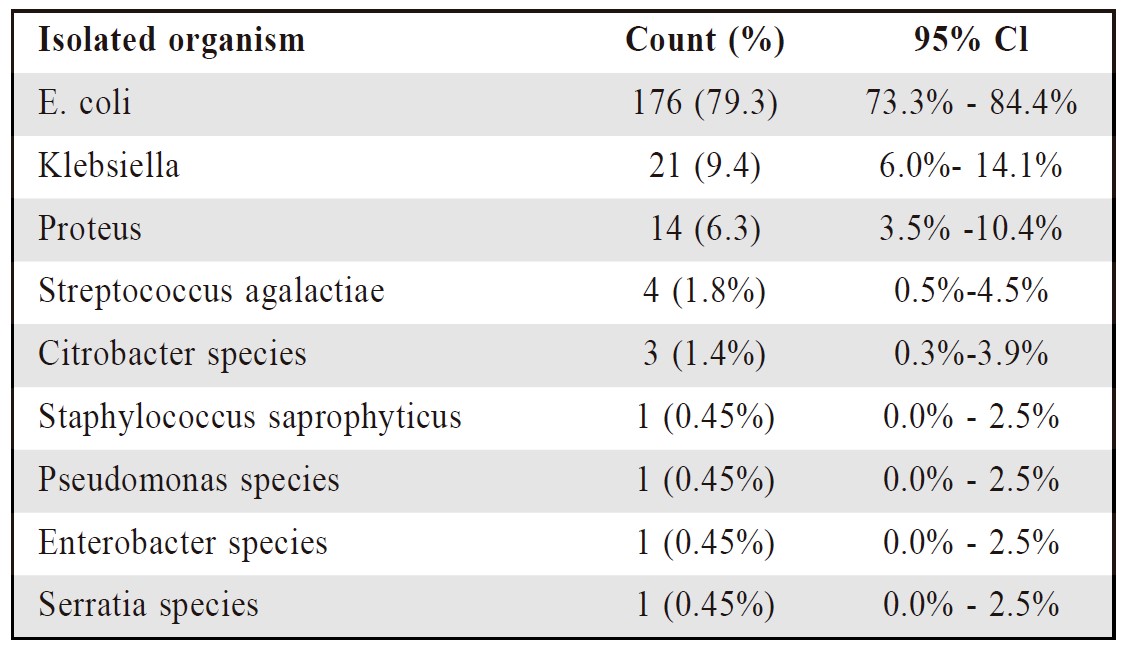
CI: Confidence Interval Table 2: Uropathogens identified in urine samples among different age group (N=222) 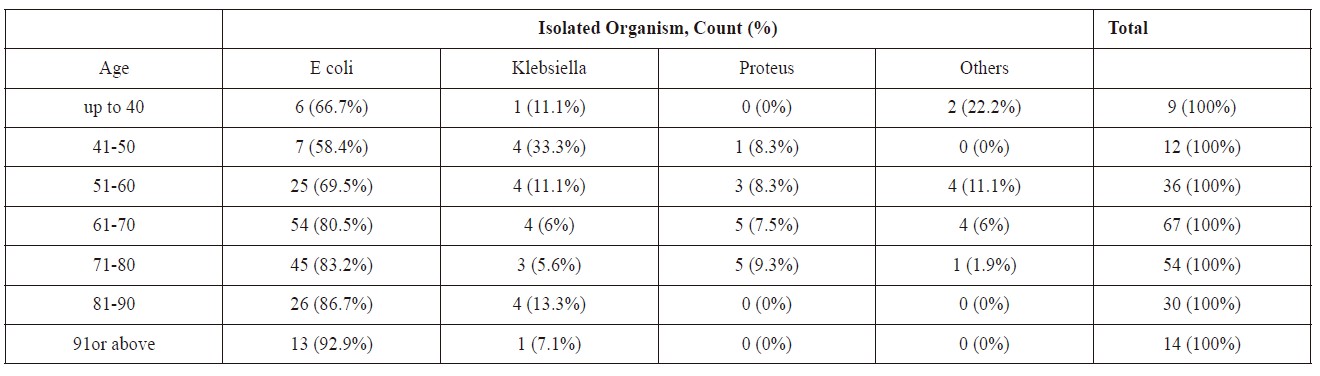
Table 3 showed the antibiotics susceptibility of all organisms. The overall susceptibility rate of all uropathogens against co-amoxiclav and nitrofurantoin were 87.3% (95% CI 82.1% to 91.4%) and 86.5% (95% CI 81.1% to 90.8%) respectively. Table 4 showed the antibiotics susceptibility of the top 3 isolated organisms i.e. E. coli, Klebsiella and Proteus. The susceptibility rate of E. coli and Proteus against co-amoxiclav were 86.4% (95% CI 80.4% to 91.1%) and 92.9% (95% CI 66.1% to 99.8%) respectively. However, the susceptibility rate of Klebsiella was much lower, which accounted for 42.9% only (95% CI 21.8% to 66%). Nitrofurantoin was very effective against E. coli and it demonstrated an impressive susceptibility rate of 98.9% (95% CI 96.4% to 99.9%). Unlike co-amoxiclav, nitrofurantoin was also effective against Klebsiella, and the susceptibility rate was 95.2% (95% CI 76.2 % to 99.9%). However, Proteus was naturally resistant to nitrofurantoin14,15 and therefore it was unsurprisingly demonstrated a 100% resistant rate in our study. The susceptibility pattern found in our study was quite similar to the antibiogram in a nearby AED in hospital setting.18 (Table 5) There was no significant difference between the antibiotics susceptibility and uropathogens in AED or FMC. The only exception was the susceptibility of Klebsiella against co-amoxiclav. A much higher susceptibility rate of Klebsiella against co-amoxiclav was identified in AED than in FMC (82.4% versus 42.9%, p value = 0.002). Table 3: Antibiotic Susceptibility against all organisms 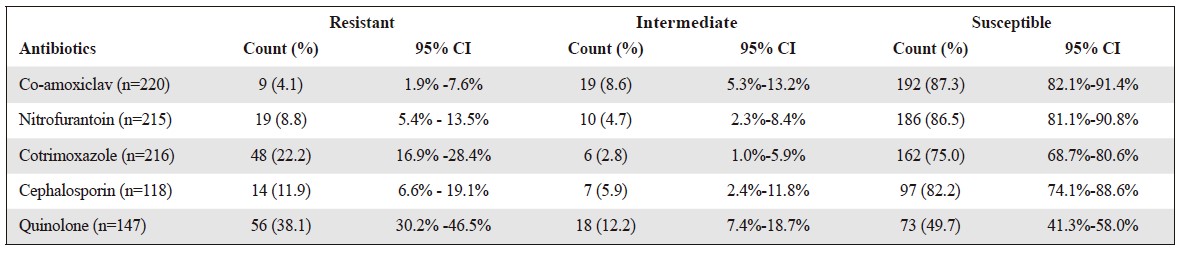
Table 4: Antibiotics Susceptibility against E. coli, Klebsiella and Proteus 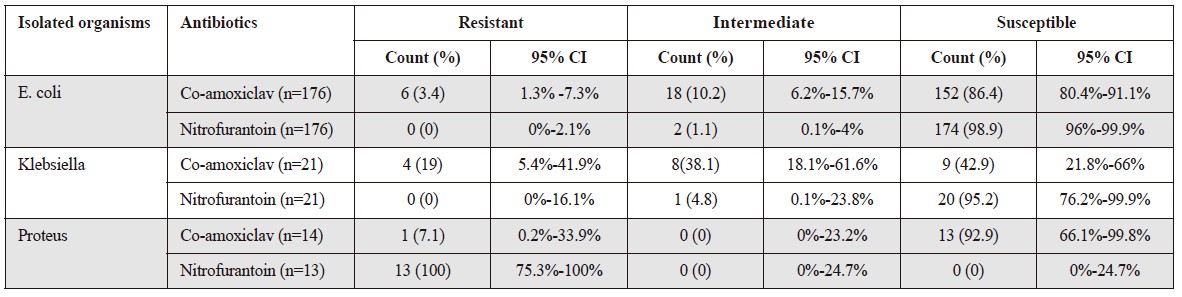
CI: Confidence Interval Table 5: Comparing susceptibility of antibiotics on different organisms between primary care setting at FMC and hospital setting at AED 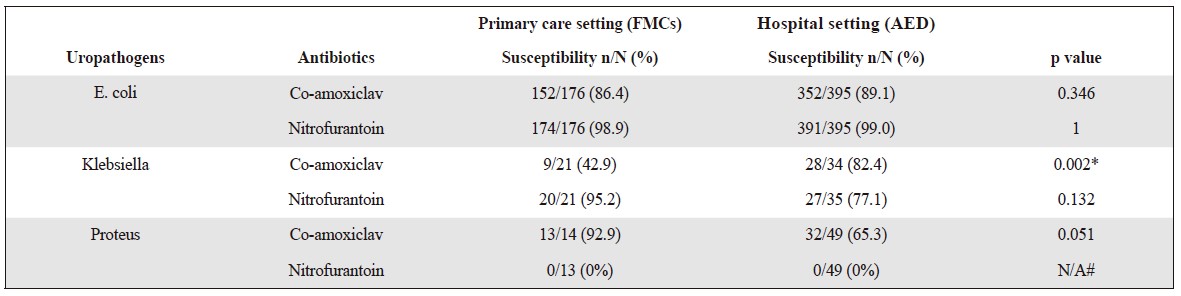
# No statistics are computed because antibiotic susceptibility is constant DiscussionIn line with previous and oversea studies, E. coli was the most common uropathogen found in simple UTI in female patients, which accounted for almost 80% of our subjects.24,25 Similarly, Klebsiella and Proteus are also relatively common. Together they accounted for 15% of UTI in our study. Although E. coli was the most common uropathogen in our study across all ages, the prevalent of E. coli raised among elderly patients. In the youngest age group, only 66.7% of urine sample grew E. coli and 22.2% of urine sample grew other less common uropathogens. For example, Staphylococcus saprophyticus has been reported as a relatively common cause of UTI in young female patients, but it was rarely found in our current study (0.45%).27 It was likely because most of our patients in this study were elderly, with mean age of 68.5 years. Due to the patient demographics in FMC, only 4% of patients were below the age of 40 in this study. According to an older local study, E. coli was responsible for 77% of acute cystitis in female patients from the urine sample gathered from general practitioner offices, Family Medicine Clinics as well as emergency departments in Hong Kong between 2006 and 2008.17 The susceptibility rate of E. coli against co-amoxiclav and nitrofurantoin was 84.9% and 92.3% respectively. These results were similar to our present study. It appeared that the uropathogens and their antibiotic susceptibility have not changed much over these years. Yet, it was worth noting that the ESBL rate was 5.2% in 2006- 2008, which was lower than our current data-11%. This implied the prevalence of ESBL has been increasing over these years in Hong Kong; while similar raising trend of ESBL has also been observed in one oversea study.28 According to the CHP data on mixed gender urine specimens collected in Public Health Laboratory Services Branch (PHLSB) in our outpatient setting in 2022, 16.6% were ESBL E. coli, whereas only 11% of E. coli were ESBL producers in our female patient urine samples. Our data also exhibited a slightly lower resistance rate compared with the CHP data. Their resistance rate of E. coli to co-amoxiclav and nitrofurantoin were 6.18% and 1% respectively, whereas our data were 3.4% and 0% respectively.20 Perhaps the difference could be explained by the presence of male urine specimens in their sample collection. It has been showed that there was a higher antimicrobial resistance in urinary tract infections in male patients.29 The CHP also gathered data on bacterial pathogen isolation and antimicrobial resistance from private outpatient clinics.30 In 2020, the susceptibility rate of E. coli against co-amoxiclav and nitrofurantoin in private were 77% and 97% respectively. It was observed that private settings had a lower antibiotic susceptibility rate as compared to our data. Moreover, the rate of ESBL in the private setting was also higher with 19% of uropathogens identified with ESBL-producing versus 11% in our study. However, the CHP data might include patients with complicated UTI and therefore this would lead to a higher antibiotic resistance rate. There was also a different prescription practice between public and private doctors in treating UTI. It was found that public doctors tended to prescribe amoxicillin and nitrofurantoin while private doctors preferred to use cefuroxime and ciprofloxacin.16 This may also have a role in promoting the difference in resistance patterns between private and public settings. We directly compared our data with the antibiogram in a nearby AED (Accident and Emergency department). There was no significant difference in the susceptibility of E. coli against co-amoxiclav and nitrofurantoin in AED or FMC. Similar results were observed in the antimicrobial susceptibility pattern of Proteus. AED doctors had similar prescribing practices as FMC doctors (as AED doctors also followed local hospital guidelines on first line antibiotics against UTI, namely co-amoxiclav and nitrofurantoin) which might explained the similar antibiotic susceptibility. However, there was a significant difference in the Klebsiella susceptibility rate against co-amoxiclav but not nitrofurantion. The susceptibility rate of Klebsiella against co-amoxiclav was much higher in AED than in FMC, which could not be clearly explained. Study showed that different kinds of Klebsiella species might have variation in antibiotics susceptibility31 though in our study, the delineation of Klebsiella species were not provided by the laboratories. From our data, despite the presence of ESBL and antibiotic resistance, co-amoxiclav and nitrofurantoin reached bacteriological cure rate of approximately 85% regardless of organisms. It was reassuring to see that our first line antibiotics were still effective in treating most of the uncomplicated UTI. This implied that it might not be necessary to save MSU in uncompleted UTI given the predicable organisms and high antibiotic sensitive rate. Only those who were at risk of having antibiotic resistance (such as male patient, patient with renal transplantation/recent hospitalisation/recent antibiotic usage/ indwelling urinary catheter/recurrent UTI and patient from nursing home)32 or suspected complicated UTI should have MSU saved prior to treatment. Key messages
Limitation:This study was carried out in two public FMCs across two regions. Therefore, MSUs were sent to two separate hospital laboratories for analysis. The antibiotics panel which they tested was slightly different. For example, one laboratory did not routinely test the susceptibility to cephalosporins, and the other laboratory tended not to test the susceptibility to quinolones unless antibiotics resistant was identified, or unusual organisms were detected. Therefore, we did not know the true susceptibility of these antibiotics if all antibiotic panels were tested. Moreover, only 2 FMCs were involved in this study, which might not represent the whole region accurately. Another limitation was that the sampling of patients were not randomised. The strength of this study was the adequate sample size to produce reliable results according to sample size calculations. The result was relevant to primary care doctors in Hong Kong to provide evidence-based suggestions on the antibiotic choice in treating patient with simple UTI. ConclusionE. coli was still the most common bacteria found in uncomplicated UTI in female patients in our public primary care settings according to our study. More ESBL and antibiotics resistance was observed compared with older data. Both first line antibiotics, namely co-amoxiclav and nitrofurantoin were still very effective in treating uncomplicated UTI regardless of organisms. This study suggested that saving MSU prior to every uncomplicated UTI in female patient might not be necessary in public primary care setting giving the predictable typical organism and high antibiotics sensitive rate. AcknowledgementsI would like to express my sincere gratitude to all the FMC doctors in my clusters who helped to identify and recruit patients for this study, as well as all the clinic staffs for their professional service in clinics. References
Dr. Dickson KF Chan,
FHKAM, FHKCFP, FRACGP
Dr. Cathy SN Wong,
FHKAM, FHKCFP, FRACGP
Dr. Loretta KP Lai,
FHKAM, FHKCFP, FRACGP
Dr. Matthew MH Luk,
FHKAM, FHKCFP, FRACGP
Dr. Pang-fai Chan,
FHKAM, FHKCFP, FRACGP
Correspondence to: Dr. Dickson KF Chan, Tseung Kwan O Jockey Club Family Medicine Clinic, 99 Po Lam Road North Tseung Kwan O, HKSAR. Email: CKF567@ha.org.hk | |